The platform now supports embedding external workflows and AI agents directly in the Sales Hub and Backoffice. Agents appear inline on quotes, orders, the PIM and other pages. They are triggered by a button click or chat input and execute against external webhook endpoints.
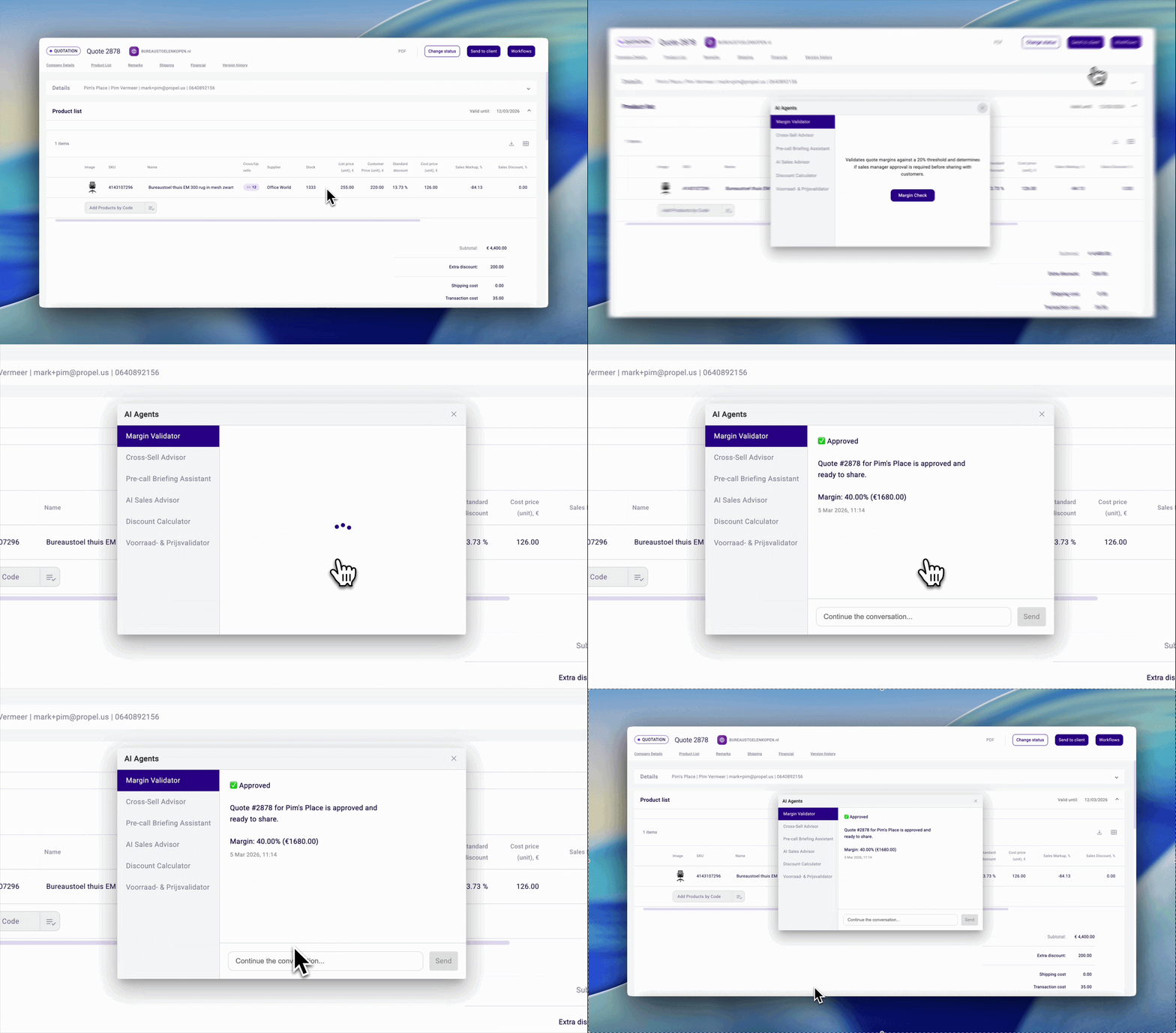
How it works. Each agent is configured with a webhook URL. When triggered, Propeller sends a POST request containing the current page context (order data, company details, product list) and the user's message. The external endpoint processes the request and returns a response that is displayed inline. Any system that can handle HTTP POST and return JSON works: n8n, custom APIs, LLM services.
What this enables. Partners can build and connect their own logic: margin validation on quotes, reorder suggestions based on order history, conversational assistants for pricing or product selection, automated churn detection. The full commercial dataset (customers, orders, products, prices) is available in the webhook payload. Business rules like discount limits and catalog restrictions apply to agent interactions the same way they apply to manual actions.
Agent types control where the agent appears. Built-in types include SALES_HUB_ORDER_EDITOR, SALES_HUB_QUOTE_EDITOR and SALES_HUB_COMPANY. Custom types can be registered for frontend pages like product detail or customer portal.
GraphQL API. Agents are managed through agentCreate, agentUpdate and agentDelete mutations. Conversations use agentConversationCreate and agentMessageCreate. The agents query lists available agents filtered by type and trigger.
See the full documentation at Workflows and AI Agents.